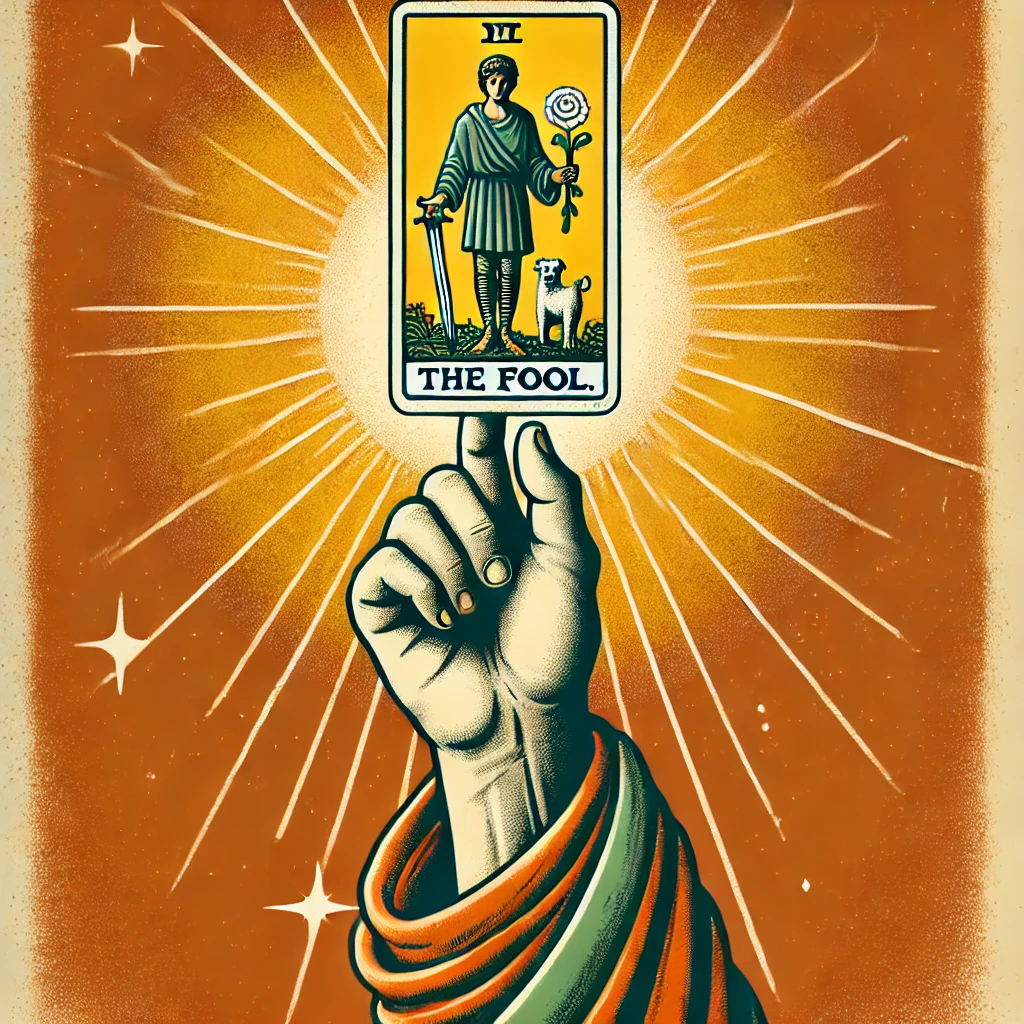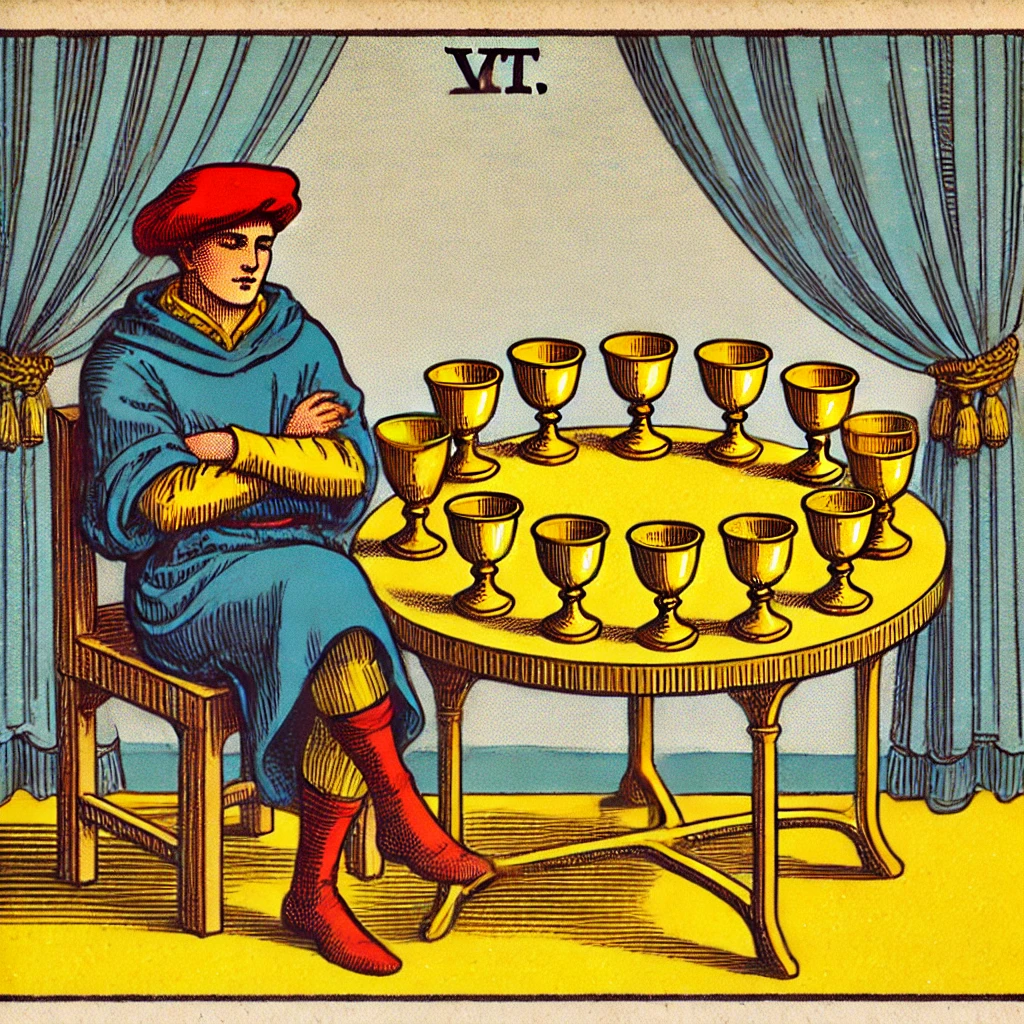

Some images do not announce themselves. They arrive quietly. A gesture. A number. A pattern traced in the folds of an ordinary day. The pip cards in the tarot—those small, numbered companions—often go unnoticed. They do not carry the thunder of archetypes. They do not wear crowns or hold lightning bolts. But they stay close. Closer, sometimes, than we realize.
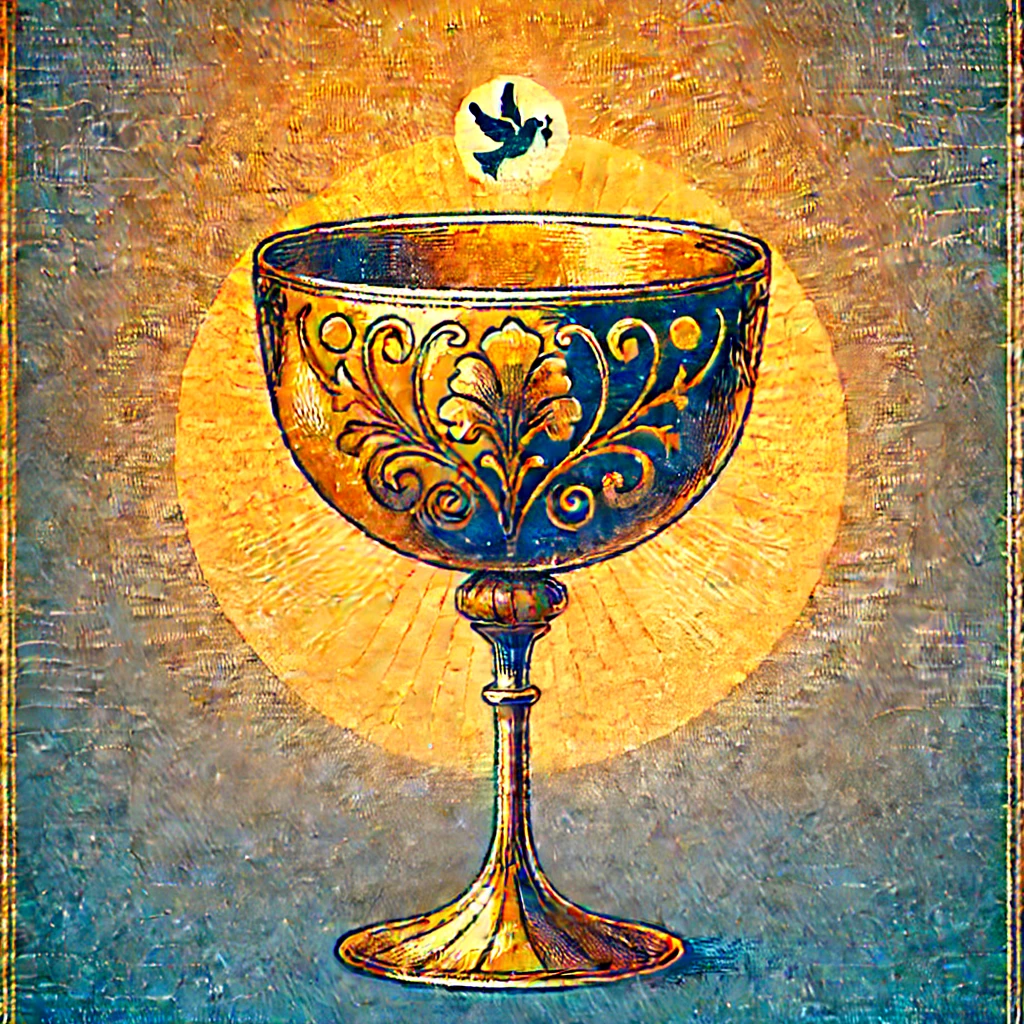
The ones carry the breath of beginning. Each suit approaches the start differently. The first wand sparks. It touches something in the diaphragm. An urge to move. To act. The first cup fills without needing to overflow. A tenderness. A memory of the feeling before it had a name. The first sword points forward. A thought emerging through mist. The first pentacle rests in the palm. A seed. A promise.
As the numbers unfold, the rhythm deepens. The twos create tension. Always a split. A holding of opposites. Two wands facing away. Two cups reaching toward. Two swords crossing, unable to land. Two pentacles spinning in the air, asking for balance that may never settle.
Then the threes. A gesture toward movement. Three wands watching the horizon. Three cups lifting in ritual. Three swords piercing a heart. Three pentacles carved in stone, where hands touch the weight of the world. The threes ask: can something begin to form here?
By four, the shape changes. A box appears. There is rest. There is pause. Sometimes peace. Sometimes boredom. The four of cups turns away from what is offered. The four of swords folds into stillness. The four of pentacles clutches what it fears to lose. The four of wands dances for a moment in the light. And yet, each of these gestures holds a deeper question. What happens when we stay too long? What grows when we stop moving?
Then five arrives. And with it, the shake. A shift. Something has been lost, or is about to be. The five of cups stares down at the spilled. The five of swords turns with tension in its back. The five of wands tumbles in conflict. The five of pentacles limps forward in the cold. These are not cards to fix. They are cards to feel.
The sixes bring a soft return. A kind of rebalancing. A sweetness, not yet resolved. Six cups remembering childhood. Six pentacles weighing what is given and what is withheld. The six of swords leaving. The six of wands returning. Each card moving with care, never rushing.
The sevens test. They question the road. Seven wands defending what cannot quite be explained. Seven cups floating in a dream, none of them quite true. Seven swords tiptoeing. Seven pentacles waiting, uncertain if the effort will ripen. These cards stir something in the gut. A hesitation. A wondering. A pause before the next breath.
The eights find rhythm again, but deeper now. A repetition that carries weight. Eight cups stacked, but one left behind. Eight wands flying forward. Eight swords binding from within. Eight pentacles marked by labor, the kind that leaves calluses. These cards hold the pulse of endurance.
Nines pull inward. There is a turning. A gaze that does not seek applause. Nine pentacles in a garden, alone. Nine swords overhead, sleepless. Nine cups filled, but with whose joy? Nine wands still standing, though the body leans. These are cards that ask what it means to carry fullness—and what it costs.
And then the tens. They carry all that has come before. Sometimes with beauty. Sometimes with burden. Ten swords in the back. Ten wands bending the spine. Ten pentacles gathering generations. Ten cups curving into a rainbow no one expected. The image does not answer. It opens.
These pip cards do not speak in riddles. They speak in seasons. They echo the slow turning of a year, or a breath, or a life. They remind us that meaning often lives in repetition. In the way the same symbol returns in a different form. In the way an old emotion finds a new image.
To live with these cards is to listen beneath the surface. To notice how a number feels before it is named. To watch how four wands form a gate. How three swords hurt. How six cups soften. These are not concepts. They are experiences. They do not need to be solved. They need to be felt.
The pip cards do not call for attention. They offer presence. They live near the floorboards. They watch from the corners. They are part of the world we walk through every day, without always seeing. But when we do see them, they offer something the larger cards sometimes cannot. A simple image. A human gesture. A rhythm we already know.
Tim – Soulful Nuggets Team
This blog is a reflection on the course ‘A Jungian Perspective on the Tarot‘
by Jungian Analyst Ken James on JungPlatform.com.