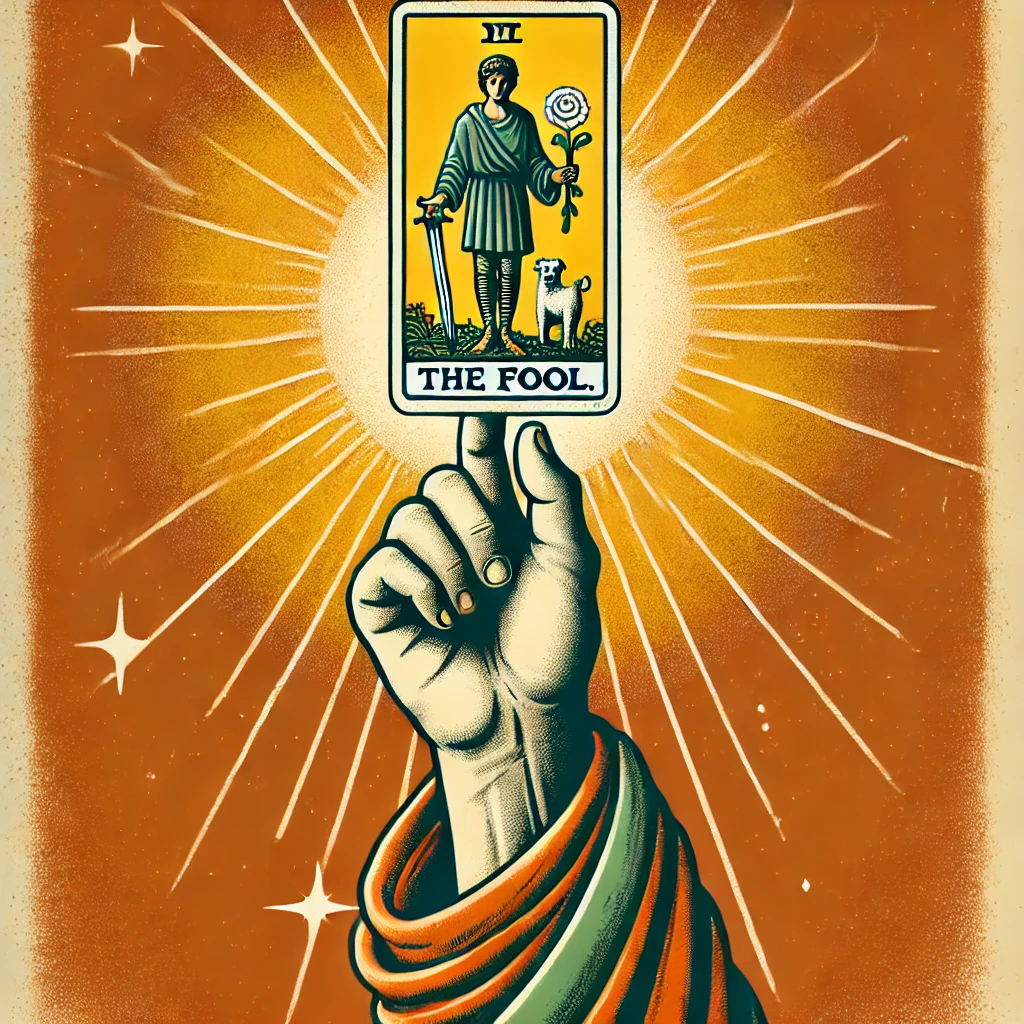

There is a quiet practice that asks nothing from the mind but the willingness to see. It begins by laying the cards out gently, one after another, letting the body respond first. No rush to understand. No need to interpret. Just the simple act of looking.
The minor arcana in the tarot have often been overlooked. Perhaps it is the lack of drama in them. They do not shout like the Tower or blaze like the Sun. They do not carry the mythic stage of the Major Arcana. They speak closer to the skin, to the moods of the day, to the seasons in a life.
These are cards of the personal world. They echo the weather of the psyche. They follow the rhythms of waking and working, longing and resting, doubt and return. Each suit moves like a current, with its own element, its own direction, its own subtle pressure.
The wands carry the flame of becoming. Not fire as spectacle, but fire as steady presence. The kind that lives behind the eyes when someone is listening deeply. The kind that rises when a new idea first stirs in the chest. These cards pulse with beginnings, efforts, frustrations, and perseverance. The story they tell is not one of triumph, but of burning through.
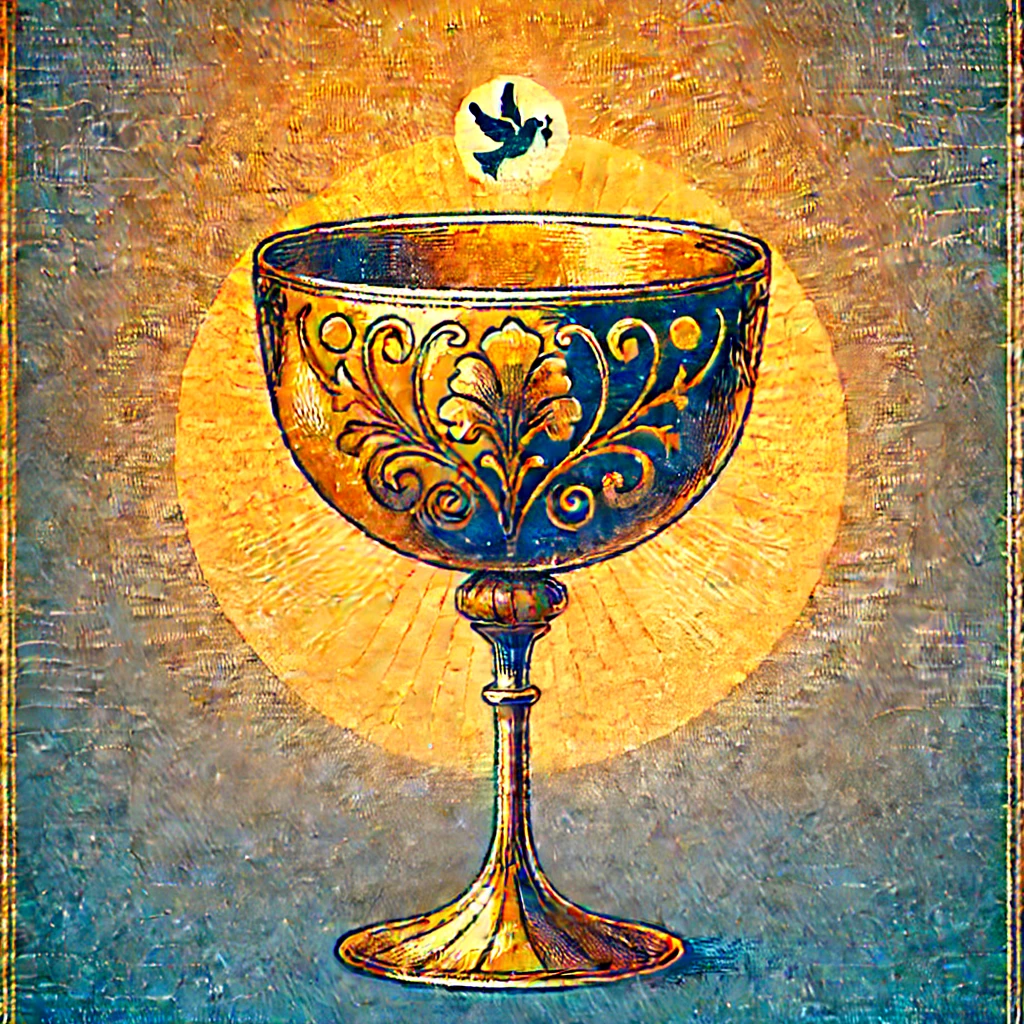
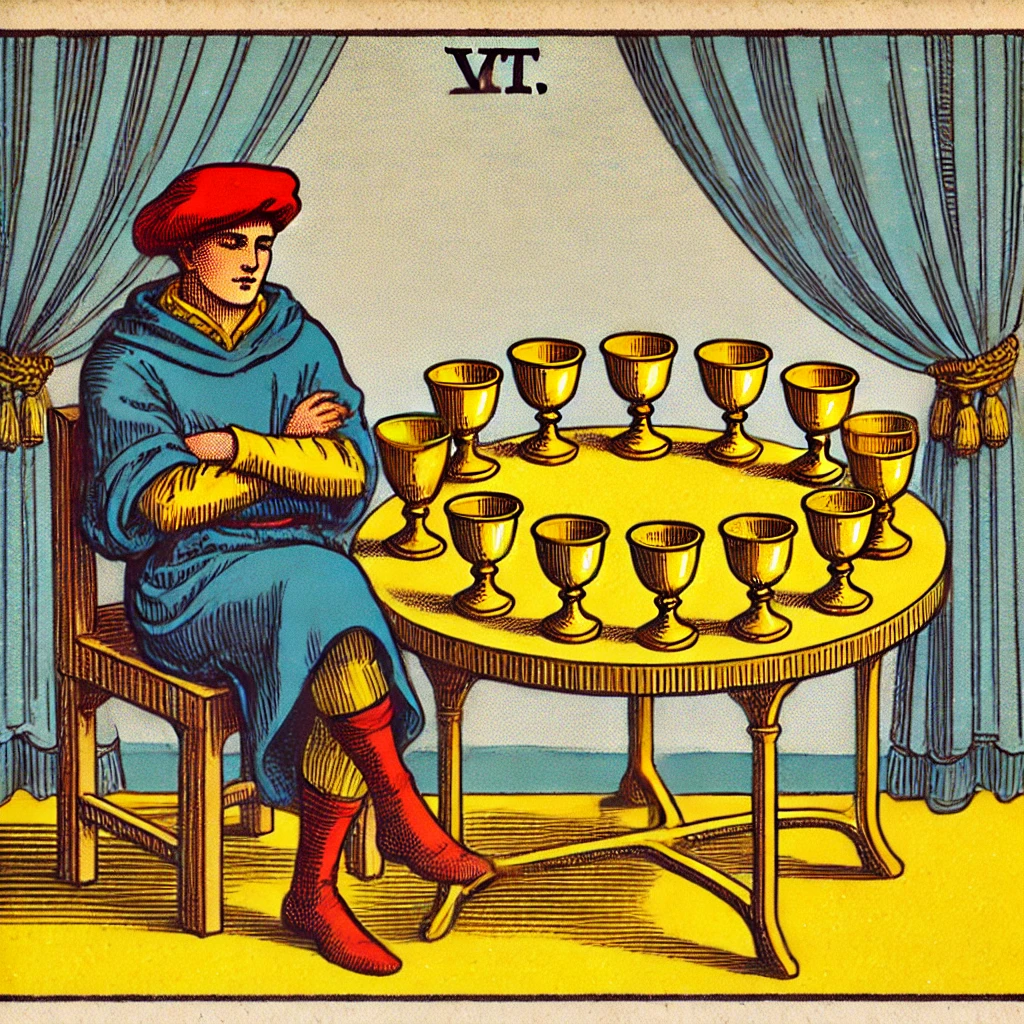
The cups hold the shape of water. These cards are never still. They spill, they shimmer, they disappear. Feelings are never one thing. They come in waves. Joy can show up with the echo of sorrow. Grief can carry unexpected beauty. The suit of cups reflects this. It is a gentle mirror. It does not fix, it reflects.
The swords bring a different texture. The air of thought moves sharply here. It can cut, but it can also clear. Many find the suit of swords difficult. Perhaps because the mind, when it is separated from the heart, becomes harsh. Yet the sword also reveals. It exposes what has been buried. It makes space. The work is to feel the weight of the blade without becoming it.
The pentacles arrive with the weight of the world. Earth is slow. It is the bread baking. The body aging. The presence of a tree growing year by year. This suit teaches through the tangible. The images come close to what we call ordinary. Yet in their repetition, in their grounded insistence, they speak to the sacredness of daily life.
Each number adds its own dimension. The aces are a gift. They do not ask, they offer. Something appears. A spark, a gesture, a stirring. The twos bring tension. A split. A choice. An echo of duality. The threes begin to weave. There is motion, sometimes joy, sometimes disruption. The fours settle. A square shape. A kind of holding pattern.
The fives scatter. Something breaks open. Loss, resistance, change. The fives rarely feel good, but they move things. The sixes gather. They make a small return. A reaching toward balance. The sevens stretch further. There is testing, trial, reflection. The eights repeat, but with more rhythm. They mark cycles, momentum, the sense of something working through.
The nines are intimate. They draw close. Often they show a figure alone. There is a fullness, but also a reckoning. A kind of pause before the ten. And the tens expand. They open the whole suit. Sometimes into completion. Sometimes into burden. Always into more.
We could say the minor arcana are a story in four parts, each told ten different ways. But more than a story, they are a way of seeing. A lens into the deep texture of the personal world. The weather patterns of emotion, thought, action, and sensation.
To work with these cards is to step slowly. To let the image do its quiet work. To learn not just from meaning, but from feeling. A certain card may feel dense, another light. One may resist being looked at, another may draw you in. The invitation is to notice.
If a card returns again and again, let it speak in layers. What felt true one week may shift the next. The cards are not answers. They are companions. They offer a quality, a gesture, a way of seeing what already lives inside.
Sometimes the card will speak through color. Or through the tilt of a head, the grip of a hand, the posture of waiting. Each detail matters, but not in a linear way. It matters the way a tone matters in music. Not for what it says, but for what it holds.
When we begin to discern which cards feel like gifts, and which feel like challenges, we are beginning a deeper kind of listening. Not to find certainty, but to find relationship. The difference between being told and being met.
This is the way of the minor arcana. They are close to the body, close to the breath. They know how long it takes to change. They know how often we circle back. And still, they offer their images. Quietly. Steadily. Waiting to be seen.
Tim – Soulful Nuggets Team
This blog is a reflection on the course ‘A Jungian Perspective on the Tarot‘
by Jungian Analyst Ken James on JungPlatform.com.